Utilitarianism says that the moral worth of an action depends on its consequences: what is right is what increases well-being and reduces suffering, counting the interests of everyone affected equally. Its core question is: which choice produces the best overall outcome? This simple idea has strong implications, because it demands impartiality, accepts weighing gains and losses across people and can lead to demanding moral duties, such as giving away a large share of what we have.
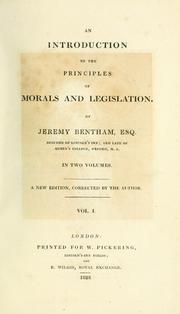
It arose in late 18th-century England with Jeremy Bentham, who wanted to reform laws and prisons by measuring pleasure and pain. John Stuart Mill refined the theory, distinguishing higher and lower pleasures, and defended individual liberty and the equality of women. Henry Sidgwick gave utilitarianism its most rigorous academic form. Today Peter Singer applies this reasoning to global poverty and the treatment of animals, influencing the effective altruism movement and debates in bioethics.
Core ideas
What is right is what produces the most well-being and least suffering overall.
The interests of every affected being count equally.
The consequences of actions matter more than fixed rules.
Where to start reading
Each thinker's starter book, picked for beginners.