Social contract theory asks: why should we obey the government? Its answer is that political power is legitimate only if it can be seen as the result of an agreement among the people. To think this through, it imagines a state of nature, with no government or laws, and asks why anyone would agree to leave it. The social contract would explain both the origin of authority and its limits.
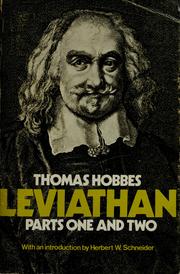
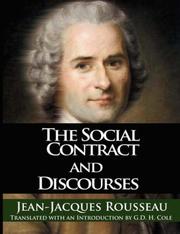
It gained ground in Europe in the seventeenth and eighteenth centuries, amid civil wars and revolutions. Thomas Hobbes saw the state of nature as a war of all against all and argued for a strong sovereign. John Locke held that people have natural rights to life, liberty and property, which government must protect. Rousseau wrote of the general will and the sovereignty of the people. Their ideas shaped modern democracies and today's theories of justice.
Core ideas
Political power is legitimate when it rests on consent
Without government, life would be insecure or unjust
The social contract sets both authority and its limits
Where to start reading
Each thinker's starter book, picked for beginners.