Filosofômetro
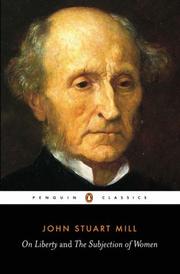
Portrait of John Stuart Mill
Liberal utilitarian · Modern era

John Stuart Mill

Archetype: Pragmatist of Experience

1806 to 1873 · London, England

“Over himself, the individual is sovereign.”

Do you think like John Stuart Mill? Answer 44 to 132 statements and find out who, among 130 thinkers, has the way of thinking closest to yours.

Who was John Stuart Mill

Educated with extreme intensity by his father, John Stuart Mill was learning Greek at the age of three. He became the most influential liberal philosopher of the 19th century, defending individual liberty, democracy and equality between the sexes. He served as a member of Parliament and wrote, with Harriet Taylor, pioneering texts on women's rights.

Core ideas

  • The state may limit someone only to prevent harm to others
  • Freedom of thought and discussion helps truth to emerge
  • There are higher pleasures, like those of the intellect, that are worth more than others

The tradition: Liberal utilitarian

Liberal utilitarianism combines the pursuit of the greatest well-being with a firm defense of individual liberties. Mill refined Bentham's utilitarianism and tied it to political liberalism.

Learn more: Wikipedia

Where John Stuart Mill stands on the 11 axes

Each axis runs from the first pole (−1) to the second (+1). These are the positions the test compares with your answers.

Knowledge
ReasonExperience, strong · +0.90Experience
Will
FateFreedom · +0.40Freedom
Meaning
Given meaningBalanced · +0.00Created meaning
Ethics
DutyConsequences, strong · +1.00Consequences
Social life
IndividualIndividual · −0.50Community
Happiness
PleasurePleasure · −0.40Virtue
Reality
MatterMatter, strong · −0.60Spirit
Truth
CertaintyDoubt · +0.20Doubt
Change
TraditionRupture, strong · +0.60Rupture
Suffering
AcceptResist · +0.30Resist
Power
AuthorityAutonomy, strong · +0.70Autonomy

Thinkers similar to John Stuart Mill

Which philosopher
thinks like you?

Start the test