Socialism holds that the wealth produced by collective labor should serve everyone, not a property-owning minority. Marxism gives this idea a theory of history: the way a society produces and distributes wealth shapes its politics, law and culture, and history moves forward through conflicts between classes. Its core question is: why, under capitalism, do those who work create wealth that ends up with others, and how can this exploitation be overcome?
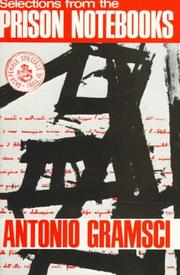
Early socialists such as Charles Fourier imagined cooperative communities in the early 19th century. Karl Marx, with Engels, called these projects utopian and wrote Capital, an analysis of how capitalism works. In the 20th century, Antonio Gramsci studied how culture sustains power, an idea taken up in Brazil by Carlos Nelson Coutinho. Roberto Schwarz applied Marxist criticism to Brazilian literature, José Carlos Mariátegui adapted it to Peru and C. L. R. James connected it to the anticolonial struggle. Slavoj Žižek combines it with psychoanalysis.
Core ideas
The economy and labor shape politics, law and culture.
Under capitalism, workers produce value they do not get to keep.
The means of production should belong to the community as a whole.
Where to start reading
Each thinker's starter book, picked for beginners.