Thought that analyzes racism, caste and colonialism and defends the dignity and freedom of oppressed peoples.
Do you think in the way of Anti-racist and anti-colonial thought? Answer 44 to 132 statements and see your affinity with every school and every thinker.
This body of thought starts from the experience of peoples who were enslaved, colonized or excluded by race and caste, and asks how these hierarchies were created and how to undo them. It shows that racism and colonialism are not only individual prejudices but structures that shape laws, economies and even the way oppressed people see themselves. The core question is: how can dignity, equality and self-determination be won?
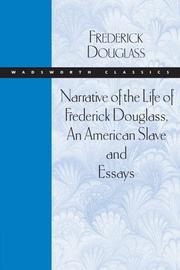
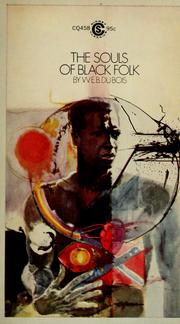
Frederick Douglass, who escaped slavery in the United States, made his own life an argument for freedom. W. E. B. Du Bois described the double consciousness of Black Americans, and B. R. Ambedkar fought the caste system in India. Martin Luther King Jr. led the civil rights struggle through nonviolence, while Frantz Fanon analyzed the psychological effects of colonization. In Brazil, Abdias do Nascimento proposed quilombismo, a model inspired by communities of escaped slaves. Their paths vary, but all join reflection with political action.
Core ideas
Race and caste are hierarchies created by history, not by nature.
Colonialism leaves marks on the economy, the law and the minds of the colonized.
Liberation requires dignity, equal rights and collective action.
Where to start reading
Each thinker's starter book, picked for beginners.