

Enlightenment
An 18th-century movement that trusted reason, science and liberty to criticize tradition and reform society.
Do you think in the way of Enlightenment? Answer 44 to 132 statements and see your affinity with every school and every thinker.
What it is
The Enlightenment held that people should use their own reason instead of accepting, without examination, the authority of kings, churches and customs. Its core question was: how can life and politics be organized rationally, securing freedom and dignity for every individual? From this came the defense of religious tolerance, freedom of expression, broad education, natural rights and governments that answer to their citizens.
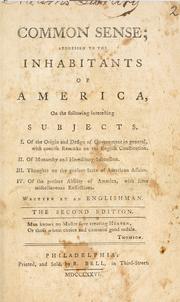
The movement gained strength in 18th-century Europe, above all in France, England and Scotland, and inspired the American and French revolutions. Voltaire was its most famous voice against intolerance and fanaticism. Thomas Paine brought these ideas to a wide public, defending American independence and the rights of man. In Spanish America, Andrés Bello applied this spirit to the education and law of the new republics. Many of today's democracies inherit these ideals.
Core ideas
- Reason should examine every authority, including religious and political ones.
- Every human being has natural rights that government must respect.
- Education and science are paths to progress and freedom.
Where to start reading
Each thinker's starter book, picked for beginners.

The thinkers
Where Enlightenment stands on the 11 themes
Average position of the school's thinkers. Each theme runs from the first pole (−1) to the second (+1).
Neighboring schools
- FeminismA tradition that examines and challenges inequality between women and men in society and in thought.
- Anti-racist and anti-colonial thoughtThought that analyzes racism, caste and colonialism and defends the dignity and freedom of oppressed peoples.
- AnarchismA tradition that defends a society without the state or domination, organized through free cooperation and voluntary association.