Feminism asks why women were for so long excluded from education, politics and public life, and how this inequality can be overcome. It investigates whether differences in the roles of men and women come from nature or from society, and how gender intersects with race, class and culture. Its core question is: what does it mean to treat women as full and equal persons?
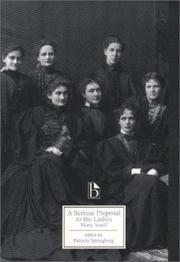
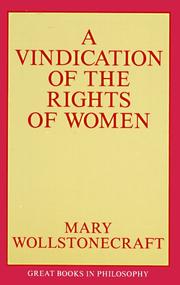
Its roots are old: Mary Astell in England and Sor Juana Inés de la Cruz in Mexico defended women's right to learning in the 17th century. Mary Wollstonecraft and Concepción Arenal tied this cause to reason and justice. In the 20th century, Simone de Beauvoir showed how society shapes the condition of women. Lélia Gonzalez, bell hooks and Gloria Anzaldúa brought together gender, race and cultural borders, and Judith Butler questioned the idea of a fixed gender. Its strands differ, but they share the pursuit of equality.
Core ideas
Women and men have the same capacity for reason and the same rights.
Many gender roles are built by society, not by nature.
Gender oppression intersects with race, class and culture.
Where to start reading
Each thinker's starter book, picked for beginners.