Critical theory seeks to understand society in order to change it. It analyzes how the economy, mass culture, technology and institutions shape the way people think and can limit their freedom without their noticing. The core question is: why do forms of domination persist in a society that calls itself rational and free, and how can reason itself help to overcome them?
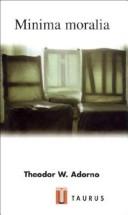
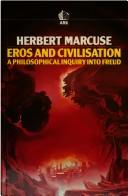
The tradition was born in the Frankfurt School, in Germany in the 1920s and 1930s, combining philosophy, sociology, psychoanalysis and a reading of Marx. Theodor Adorno criticized the culture industry, and Herbert Marcuse, in the United States, influenced the movements of the 1960s. Jürgen Habermas renewed the tradition by placing rational dialogue at the basis of democracy, a path the Spanish philosopher Adela Cortina develops in her discourse ethics. Byung-Chul Han, more distant from the school, criticizes the society of achievement and exhaustion.
Core ideas
Social theory should help free people, not just describe society.
Mass culture and technology can produce conformity.
A just society depends on free dialogue among equal citizens.
Where to start reading
Each thinker's starter book, picked for beginners.