
Liberation philosophy and theology
Latin American philosophy and theology that think from the standpoint of the poor and seek to overcome oppression.
Do you think in the way of Liberation philosophy and theology? Answer 44 to 132 statements and see your affinity with every school and every thinker.
What it is
Liberation philosophy and theology think from the standpoint of the poor and excluded of Latin America. For them, it is not enough to reflect on justice in the abstract: one must start from the concrete reality of oppression and commit to overcoming it. The core question is: how can thought, education and faith help the oppressed become agents of their own history, rather than mere objects of other people's help?
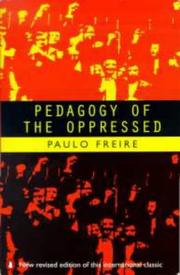
The movement gained strength in the 1960s and 1970s, amid the inequalities and dictatorships of the continent and after the Second Vatican Council. Paulo Freire proposed a pedagogy in which learners grow by reading their own world critically. The Peruvian Gustavo Gutiérrez and the Brazilian Leonardo Boff formulated liberation theology, with its preferential option for the poor. The Argentine Enrique Dussel developed an ethics and a philosophy from the standpoint of victims and the world's periphery. Their ideas remain alive in education and social movements.
Core ideas
- Thought should start from the concrete reality of the poor and excluded.
- To educate is to help people read their own world critically.
- Faith and ethics demand a commitment to social justice.
Where to start reading
Each thinker's starter book, picked for beginners.
The thinkers
Where Liberation philosophy and theology stands on the 11 themes
Average position of the school's thinkers. Each theme runs from the first pole (−1) to the second (+1).
Neighboring schools
- Anti-racist and anti-colonial thoughtThought that analyzes racism, caste and colonialism and defends the dignity and freedom of oppressed peoples.
- EnlightenmentAn 18th-century movement that trusted reason, science and liberty to criticize tradition and reform society.
- FeminismA tradition that examines and challenges inequality between women and men in society and in thought.