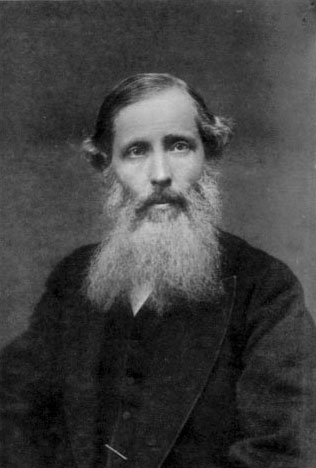
Henry Sidgwick
Archetype: Pragmatist of Pleasure
1838 to 1900 · Skipton, England
“From the point of view of the universe, my good is no more important than anyone else's.”
Do you think like Henry Sidgwick? Answer 44 to 132 statements and find out who, among 130 thinkers, has the way of thinking closest to yours.
Who was Henry Sidgwick
A professor at Cambridge, Sidgwick wrote the most rigorous work of classical utilitarianism, carefully comparing the moral theories of his day. He argued that basic ethical principles are known by reason and lead us to seek the greatest general happiness. He also helped open the university to women and studied psychic phenomena.
Core ideas
- The good to be promoted is the greatest sum of happiness, counting everyone's equally
- Some moral principles are self-evident to reason, such as impartiality between persons
- The conflict between self-interest and the general good is a problem that reason does not resolve
The tradition: Utilitarianism
Utilitarianism judges actions by their consequences for the happiness of all. Sidgwick is its most rigorous systematizer, who sought to ground the principle of utility in rational intuitions.
Learn more: Wikipedia
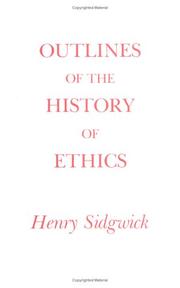
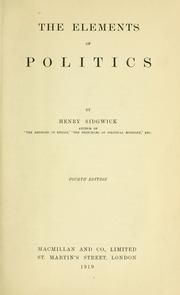
Books by Henry Sidgwick
Three ways in. Start with the first.
Where Henry Sidgwick stands on the 11 axes
Each axis runs from the first pole (−1) to the second (+1). These are the positions the test compares with your answers.


