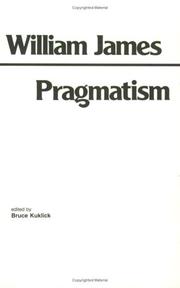
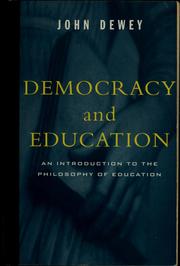
Pragmatism proposes that the meaning and truth of an idea are tied to the practical differences it makes. Instead of seeking absolute certainty, we should treat beliefs as hypotheses, tested by experience and corrected when they fail. Its core question is: what difference does it make, in real life, to believe this or that? Thought is thus seen as a tool for solving problems, and democracy as a form of ongoing collective inquiry.
It arose in the United States in the late 19th century with Charles S. Peirce and William James, who made it widely known by applying it to psychology and religion. John Dewey brought it to education and politics, defending schools grounded in experience and democracy. Jane Addams joined pragmatism with social action at Hull House, in Chicago. In Brazil, Anísio Teixeira, who studied with Dewey, defended public schooling for all and was one of the leaders of the New School movement. Pragmatism remains alive in philosophy today.
Core ideas
An idea is worth the practical consequences it produces.
Knowledge is fallible and must be tested by experience.
Education and democracy are forms of collective inquiry.
Where to start reading
Each thinker's starter book, picked for beginners.