Libertarianism starts from the idea that each person owns themselves and the fruits of their own labor. Therefore no one, not even the government, may use force against someone who has harmed no one. Its core question is: what justifies the state in compelling anyone to do anything? For libertarians, high taxes, extensive regulation and forced redistribution of income usually violate rights. Human relations should rest on voluntary exchanges and agreements.
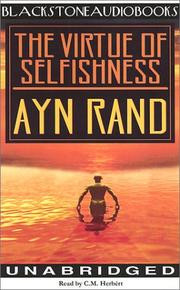
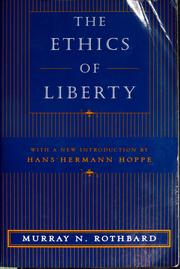
The tradition took shape in the 20th-century United States, heir to classical liberalism and the Austrian school of economics. Ayn Rand, who preferred to call her philosophy Objectivism, defended individualism and rational self-interest in widely read novels and essays. In 1974 Robert Nozick argued that only a minimal state, limited to protecting against force, theft and fraud, is legitimate. Murray Rothbard went further and proposed anarcho-capitalism, a society without a state. It remains present in debates about taxes, regulation and civil liberties.
Core ideas
Each person owns themselves and the fruits of their own labor.
No one may initiate force against someone who has harmed no one.
The state should be minimal or, for some, should not exist at all.
Where to start reading
Each thinker's starter book, picked for beginners.