French traditions that explain meaning through relations within systems, and later question those systems.
Do you think in the way of Structuralism and post-structuralism? Answer 44 to 132 statements and see your affinity with every school and every thinker.
Structuralism holds that meaning does not come from isolated things but from the relations between them: just as a word means something only in contrast with other words, myths, kinship and customs form systems with rules that people follow without noticing. Post-structuralism questions the stability of these structures and shows how language, knowledge and power produce identities that seem natural. The core question is: what organizes us beneath what we think we choose?
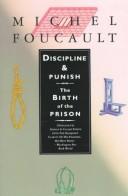
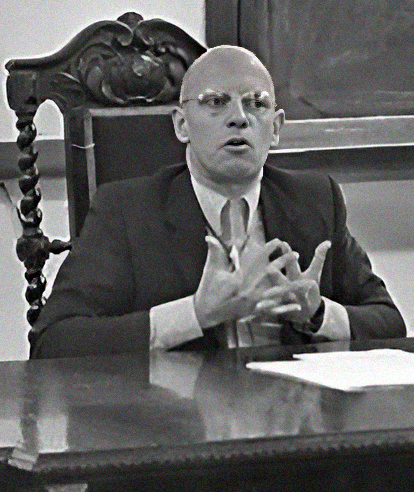
The tradition flourished in France in the 1950s and 1960s, inspired by the linguistics of Ferdinand de Saussure. Claude Lévi-Strauss applied the method to anthropology, comparing the myths of many peoples. Later, Michel Foucault studied how prisons, hospitals and sciences shape individuals, Jacques Derrida took apart oppositions such as speech and writing through deconstruction, and Gilles Deleuze thought of reality as difference and flow. Their ideas remain present in cultural criticism, gender studies and the humanities.
Core ideas
Meaning arises from relations within a system, not from isolated things.
Unconscious structures organize language, myths and customs.
Knowledge and power produce identities that seem natural.
Where to start reading
Each thinker's starter book, picked for beginners.