
Ecology and Indigenous thought
Thought that sees human beings as part of nature and values Indigenous knowledge about the Earth.
Do you think in the way of Ecology and Indigenous thought? Answer 44 to 132 statements and see your affinity with every school and every thinker.
What it is
This group questions the idea that human beings are separate from nature and above it. Rivers, forests, animals and mountains would not be mere resources but part of a web of life with value of its own, to which we also belong. The core question is: how can we live on Earth without destroying it, and what can other cultures, especially Indigenous peoples, teach us about living together with it?
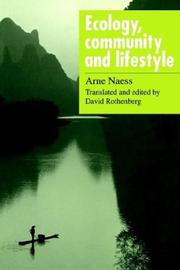
The Norwegian Arne Naess founded deep ecology in the 1970s, which recognizes value in every form of life and calls for changes in how we live, not just technical fixes. In Brazil, Ailton Krenak, a leader of the Krenak people, criticizes the idea of a humanity separate from the Earth. The anthropologist Eduardo Viveiros de Castro described Amerindian perspectivism, in which animals and spirits also see themselves as people. In the face of the climate crisis, these voices have drawn wide attention.
Core ideas
- Nature has value in itself, not only as a human resource.
- Human beings are part of the Earth, not above it.
- Indigenous knowledge offers other ways of understanding nature.
Where to start reading
Each thinker's starter book, picked for beginners.
The thinkers
Where Ecology and Indigenous thought stands on the 11 themes
Average position of the school's thinkers. Each theme runs from the first pole (−1) to the second (+1).
Neighboring schools
- Anti-racist and anti-colonial thoughtThought that analyzes racism, caste and colonialism and defends the dignity and freedom of oppressed peoples.
- Critical theoryA tradition that analyzes society to reveal hidden forms of domination and point toward emancipation.
- FeminismA tradition that examines and challenges inequality between women and men in society and in thought.