Phenomenology proposes a return to the things themselves: before building theories about the world, describe carefully how it shows up in lived experience, whether a perception, a memory or a feeling. Hermeneutics, which began as the art of interpreting texts, extends this idea: all understanding starts from assumptions, from a language and from a history. The core question is how meaning takes shape for us, beings who live in the world before we think about it.
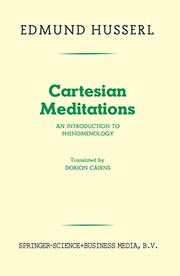
The tradition arose in Germany in the early 20th century with Edmund Husserl, who wanted to make philosophy a rigorous science of consciousness. His student Heidegger shifted the question to human existence and the meaning of being, and Hans-Georg Gadamer placed interpretation at the center of philosophy. In Brazil, Vilém Flusser applied this approach to communication and technical images, and Benedito Nunes brought philosophy and poetry together. It remains influential in psychology, literature and the humanities.
Core ideas
Philosophy should describe experience as it is lived, before any theory.
All understanding starts from assumptions, a language and a history.
Human beings always find themselves already thrown into a world full of meaning.
Where to start reading
Each thinker's starter book, picked for beginners.