

Skepticism
A tradition that doubts we can reach certainty and proposes suspending judgment in order to live more calmly.
Do you think in the way of Skepticism? Answer 44 to 132 statements and see your affinity with every school and every thinker.
What it is
Skepticism asks: can we be certain of anything? For almost every claim, the skeptic notes, one can find an opposing argument just as strong. Instead of taking a side, the skeptic proposes suspending judgment, neither affirming nor denying. This does not mean giving up on life: the skeptic follows custom and everyday appearances, and believes that letting go of the craving for certainty brings peace of mind.
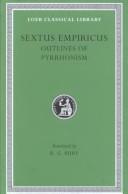
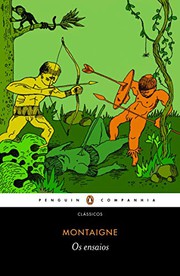
Pyrrho of Elis, in the fourth century BC, is regarded as the founder of ancient skepticism, later set down in writing by Sextus Empiricus. In the Renaissance, Montaigne revived doubt in his Essays, asking 'what do I know?'. In Argentina, Jorge Luis Borges explored the limits of knowledge in stories and essays. In Brazil, Oswaldo Porchat developed a neo-Pyrrhonism that accepts ordinary life without dogmas. The tradition remains alive in debates about what we really know.
Core ideas
- Every argument can be met by an opposing one of equal force
- Suspending judgment brings peace of mind
- One can live by appearances without asserting truths
Where to start reading
Each thinker's starter book, picked for beginners.
The thinkers
Where Skepticism stands on the 11 themes
Average position of the school's thinkers. Each theme runs from the first pole (−1) to the second (+1).
Neighboring schools
- EmpiricismA tradition holding that all knowledge comes from experience and the senses, not from innate ideas.
- Confucianism and TaoismThe two great traditions of classical Chinese philosophy: one focused on social order and virtue, the other on harmony with the Tao.
- Analytic philosophyA style of philosophy that seeks clarity, using logic and the analysis of language to solve problems.