Conservatism holds that society is not a machine to be redesigned from scratch but something formed over generations. Family, religion, local communities, laws and customs preserve a practical wisdom that no single individual can reproduce. Its core question is: what should we preserve, and how can we change without destroying what works? Conservatives do not reject all change, but they distrust projects that promise to remake society on the basis of an abstract theory.
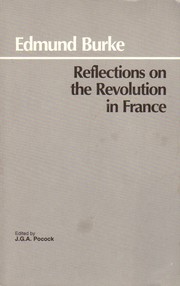
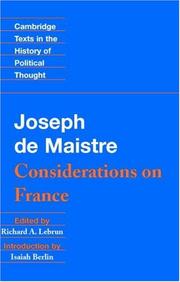
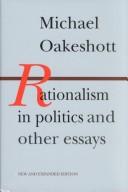
As a modern tradition it began with Edmund Burke, who criticized the French Revolution in 1790. Joseph de Maistre defended authority and Catholic tradition against the revolutionary spirit. In the 20th century, Michael Oakeshott criticized rationalism in politics, Russell Kirk systematized American conservatism and Roger Scruton wrote about beauty, nation and belonging. Thomas Sowell analyzed worldviews and public policy. In Brazil, Gustavo Corção represented Catholic traditionalism, and in Colombia Nicolás Gómez Dávila defended tradition in aphorisms.
Core ideas
Tradition holds wisdom accumulated over many generations.
Change should be gradual and build on what already exists.
Family, religion and community sustain a free and stable social life.
Where to start reading
Each thinker's starter book, picked for beginners.