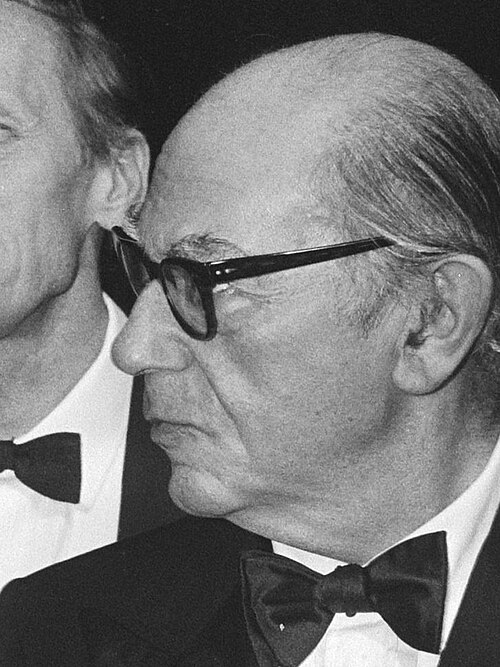
Born in Riga, Berlin saw the Russian Revolution as a child before his family settled in England. He spent his career at Oxford, where he was a dazzling lecturer and conversationalist, and wrote as a historian of ideas about Tolstoy, the Romantics and the enemies of freedom. His lecture on two concepts of liberty became one of the most read texts of political philosophy.
Core ideas
Negative liberty, being left alone, differs from positive liberty, being one's own master
Real values like freedom and equality can clash, and no formula settles every conflict
Utopias that promise a single final answer tend to justify cruelty
The tradition: Liberal pluralist
Liberal pluralism holds that human goods are many and sometimes incompatible, so a free society must allow choice and compromise. Berlin is its classic defender.