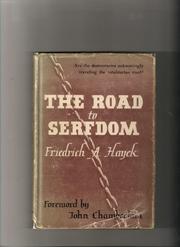
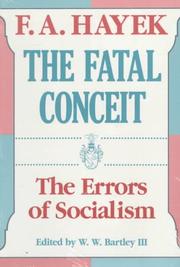
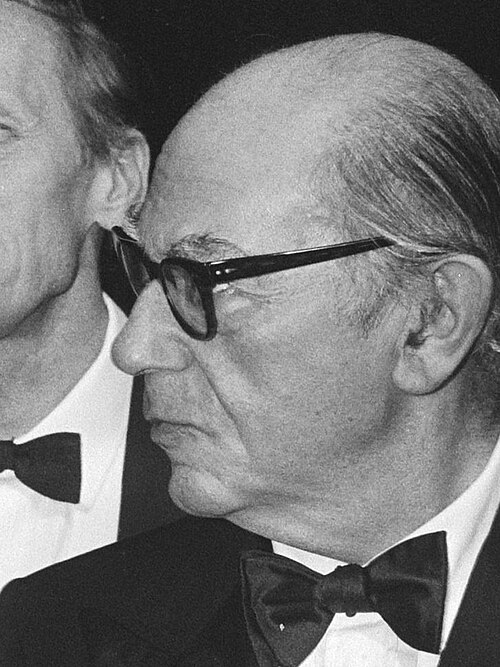
An Austrian economist and philosopher, winner of the Nobel Prize in Economics in 1974. He sharply criticized central economic planning, arguing that the knowledge needed is scattered among millions of people. His defense of the market and the rule of law influenced liberal governments and political debate throughout the twentieth century.
Core ideas
No central planner gathers the knowledge dispersed among people
Market prices work as signals that coordinate millions of decisions
Much social order arises spontaneously, without anyone designing it
The tradition: Austrian liberalism
Austrian liberalism, tied to the Austrian School of economics, defends the free market and individual liberty against state planning. Hayek is its leading name in political philosophy.