
Wittgenstein
Archetype: Communitarian of Virtue
1889 to 1951 · Vienna, Austria, and Cambridge, England
“The limits of my language mean the limits of my world.”
Do you think like Wittgenstein? Answer 44 to 132 statements and find out who, among 130 thinkers, has the way of thinking closest to yours.
Who was Wittgenstein
Ludwig Wittgenstein was born into one of the richest families in Vienna and studied with Russell at Cambridge. With the Tractatus, he believed he had solved the problems of philosophy and went off to teach primary school in rural Austria. Years later he returned to Cambridge and changed his mind, showing that the meaning of words lies in their use.
Core ideas
- Many philosophical problems arise from confusions in the use of language
- The meaning of a word is its use within a language game
- Language is tied to forms of life shared by a community
The tradition: Philosophy of language
The philosophy of language investigates how words acquire meaning and how language connects to the world and to thought. Wittgenstein transformed this field twice, with very different views.
Learn more: Wikipedia
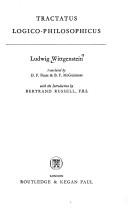
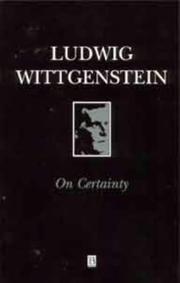
Books by Wittgenstein
Three ways in. Start with the first.
Where Wittgenstein stands on the 11 axes
Each axis runs from the first pole (−1) to the second (+1). These are the positions the test compares with your answers.


