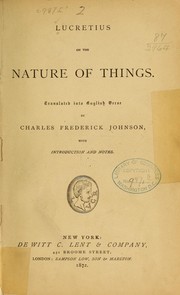
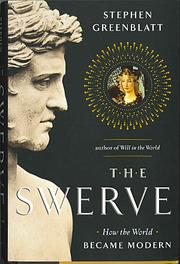
A Roman poet and philosopher, Lucretius set out the doctrine of Epicurus in a long Latin poem. In it he explains that everything is made of atoms and void, that the soul dies with the body, and that the gods do not govern the world. Almost nothing is known of his life, but the poem, rediscovered in the Renaissance, left a mark on modern science and philosophy.
Core ideas
Everything that exists is made of atoms moving in the void, the soul included
Fear of the gods and of death is the greatest source of human suffering and should be dissolved
The good life is one of calm pleasure, free of bodily pain and mental disturbance
The tradition: Roman Epicureanism
Roman Epicureanism brought to Rome Epicurus's ethics of serene pleasure and his atomist physics. Lucretius is its great popularizer, who turned the doctrine into poetry to free readers from fear.